Indonesia Robusta Coffee Supply & Export
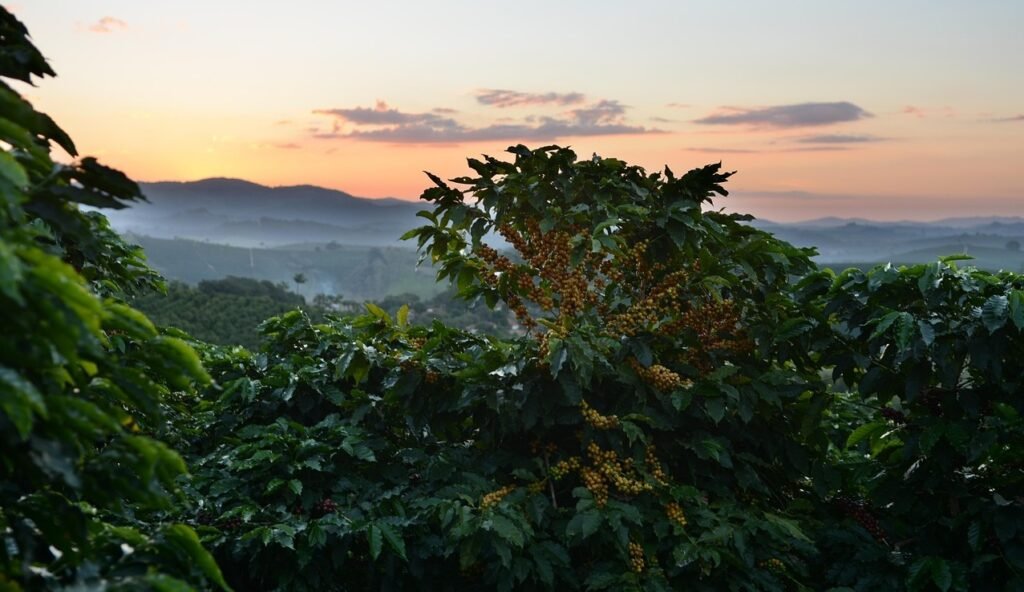

Indonesian Coffee for International Markets
Indonesia is one of the world’s important coffee-producing countries, with a long history of coffee cultivation and a diverse range of coffee-growing regions across its many islands. The country is particularly well known for Robusta, while its Arabica coffees offer distinctive characteristics from highland regions including Aceh, North Sumatra, Java, Bali and Sulawesi.
Indonesia’s diverse coffee industry provides international buyers with access to different origins, varieties, processing methods, qualities and commercial formats for a wide range of markets and applications.
Indonesian Coffee
Indonesia has a long-established coffee industry that developed across many islands and growing regions, creating significant diversity in coffee types and characteristics.
Coffee is produced across Sumatra, Java, Sulawesi, Bali, Papua and other areas. Robusta represents the majority of Indonesian production, while Arabica is particularly important in selected higher-elevation regions.
This combination of origins gives Indonesia an interesting position in the international coffee market, offering both commercially important Robusta and distinctive regional Arabica coffees.
Indonesian Robusta Coffee
Robusta is the dominant coffee species in Indonesia and is particularly important in southern Sumatra, including South Sumatra, Lampung and Bengkulu. Java is also an important Robusta-producing region.
Indonesian Robusta is valued for its body, strength, higher caffeine content and characteristic flavour profile. Depending on origin, variety, cultivation, harvesting and processing, coffees may display earthy, woody, chocolate, nutty, spicy or other characteristics.
Indonesian Robusta is widely used for roasted coffee, espresso blends, commercial coffee products and Instant Coffee and soluble coffee applications.
Indonesian Arabica Coffee
Indonesia also produces a diverse range of Arabica coffees, particularly in higher-elevation areas where cooler growing conditions are suitable for Arabica cultivation.
Important Arabica origins include Aceh and North Sumatra, as well as selected areas of Java, Sulawesi, Bali and Papua.
Indonesian Arabica can offer distinctive regional characteristics influenced by variety, elevation, climate, soil, cultivation and processing. Depending on origin and processing, coffees may display chocolate, spice, fruit, herbal, earthy, floral or other complex characteristics.
For international buyers, the specific origin, variety, processing method and quality are important when evaluating Indonesian Arabica.
Major Indonesian Coffee Origins
Indonesia’s geography is one of the most interesting aspects of its coffee industry. Different islands and growing regions can produce coffees with noticeably different characteristics.
Sumatra
One of Indonesia’s most important coffee-producing regions, with significant Robusta production in the south and Arabica production in northern highland areas.
Aceh
An important Arabica origin, particularly known for highland coffee from areas such as Gayo.
North Sumatra
An established Arabica-producing region with distinctive highland coffees.
South Sumatra
One of Indonesia’s major Robusta-producing areas.
Lampung
A significant Robusta-producing region in southern Sumatra.
Bengkulu
Another important Robusta-producing area in Sumatra.
Java
Produces both Robusta and Arabica across different elevations and growing regions.
Bali
Known for Arabica production from selected highland areas.
Sulawesi
Produces both Arabica and Robusta, with several distinctive regional coffee origins.
Papua
A smaller coffee-producing region with opportunities for distinctive origin coffees.
Indonesian Coffee Varieties
Indonesian coffee includes both Coffea canephora (Robusta) and Coffea arabica (Arabica), with different varieties and selections cultivated according to local growing conditions.
The variety can influence plant characteristics, agricultural performance and the resulting coffee profile. Buyers may therefore specify not only Arabica or Robusta, but also the preferred origin, variety, quality and processing method.
Coffee Processing in Indonesia
Coffee processing in Indonesia varies according to origin, producer and intended market.
Common processing methods include natural, washed, wet-hulled and other processing methods. Wet-hulling, commonly known as Giling Basah, is particularly associated with parts of Indonesia and is an important characteristic of certain regional coffees.
After harvesting, coffee cherries are processed and dried before being prepared as green coffee for domestic consumption or international markets.
From Coffee Farm to Green Coffee
The journey from coffee cultivation to export-quality green coffee involves several stages, including harvesting, processing, drying, grading and preparation.
Important commercial considerations can include:
- Origin and growing region
- Arabica or Robusta
- Variety
- Processing method
- Crop and harvest period
- Screen size
- Moisture
- Defect level
- Cup characteristics
- Packaging
- Quantity
- Destination
- Intended application
These factors can significantly influence the suitability and commercial value of Indonesian coffee.
Characteristics of Indonesian Coffee
There is no single flavour profile that represents all Indonesian coffee.
Robusta coffees can provide strong body, intensity and characteristic earthy, woody, chocolate or spicy notes, while Arabica coffees from higher elevations may offer greater acidity, sweetness, complexity and distinctive regional characteristics.
The final cup depends on many factors, including variety, altitude, climate, soil, cultivation, harvesting, processing, drying, storage and roasting.
Understanding the specific origin and production characteristics is therefore important when selecting Indonesian coffee for a particular market or application.
Indonesian Coffee for International Markets
Indonesian coffee is supplied to a wide range of international markets and is used by roasters, coffee brands, importers, distributors, wholesalers, manufacturers, foodservice businesses and other coffee companies.
Green coffee remains an important part of Indonesia’s international coffee trade, while processed and soluble coffee products also provide opportunities for different markets and applications.
The most suitable coffee depends on the buyer’s requirements, intended application, quality specifications, volume, packaging, destination and commercial considerations.
Indonesian Coffee Supply & Export Opportunities
Indonesia offers opportunities across different segments of the international coffee market, from commercial Robusta and Arabica to more distinctive origin-specific coffees.
Green Robusta Coffee
Suitable for roasters, espresso blends, commercial coffee products and Instant Coffee applications.
Green Arabica Coffee
Suitable for roasters, specialty and premium coffee programs, brands and buyers seeking distinctive Indonesian origins.
Origin-Specific Coffee
For buyers looking for coffee from particular Indonesian islands, regions or growing areas.
Commercial Coffee Supply
For importers, distributors, wholesalers, manufacturers and other businesses requiring coffee according to defined specifications. The right supply depends on the buyer’s requirements and the availability and suitability of coffee from the relevant origin and supplier.
Indonesian Coffee Supply
Indonesian coffee offers a broad range of possibilities for international buyers, from commercially important Robusta to distinctive Arabica from different islands and highland regions.
Understanding the origin, species, variety, processing method, quality and intended application is essential when identifying suitable coffee supply for a particular market. International buyers can explore Indonesian coffee according to their specific requirements, including origin, type, quality, processing, quantity, packaging, destination and application.
Indonesia Coffee — From Origin to International Markets
Indonesia’s diverse islands and growing regions create a broad and distinctive coffee supply base. From Robusta-producing areas in southern Sumatra to Arabica origins in Aceh, North Sumatra, Java, Bali and Sulawesi, Indonesian coffee offers opportunities across a wide range of international markets and applications.
Indonesian Coffee Origin → Producers & Suppliers → International Markets